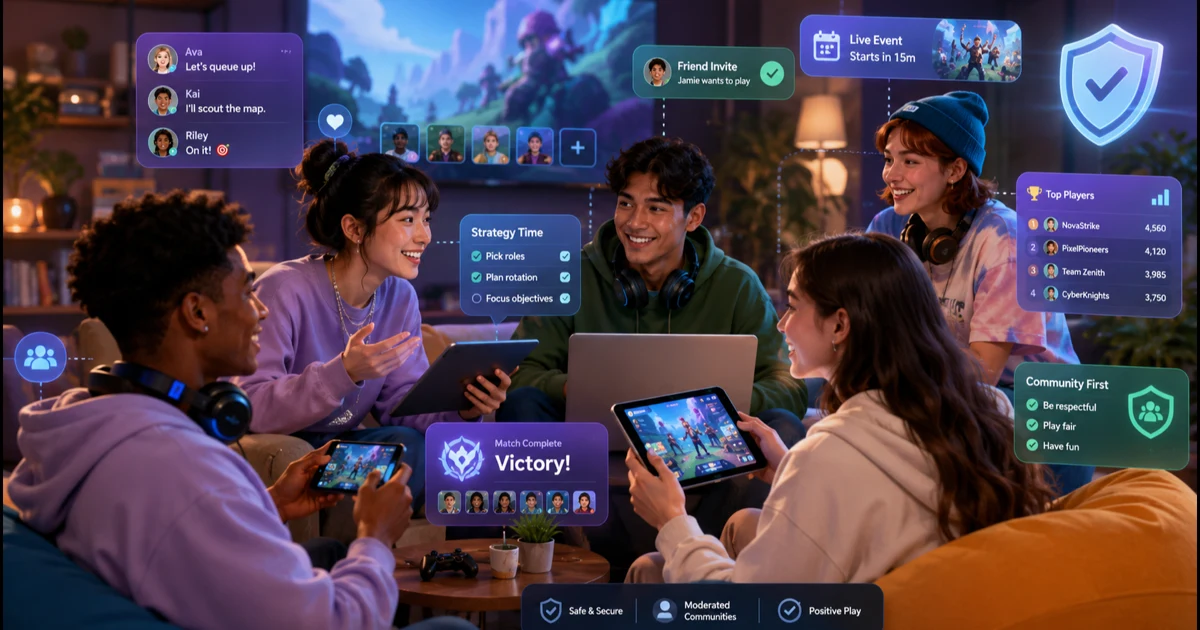
Why gaming now feels more social than ever
Digital entertainment has changed from a solo habit into a connected routine. Many users now join because they want more than gameplay alone. They want discussion, familiar names in chat, shared wins, and a community that makes each session feel part of something bigger.
That shift matters because it changes how people discover games, how they stay engaged, and how they decide which spaces feel worth returning to. Social connection has become part of the product experience, not just an extra feature.
How communities make the experience better
Gaming communities can make the experience more enjoyable. They help beginners learn, give users a place to ask questions, and create a sense of belonging. For new players especially, a good community can reduce confusion and replace vague hype with actual guidance.
When experienced users share real strategies, explain common mistakes, and keep conversations useful, the overall experience becomes more welcoming and easier to trust.
Which social features keep people engaged
Social features such as referrals, leaderboards, chat groups, and live events can increase engagement because they create reasons to come back even between sessions. A leaderboard adds friendly competition. A live event creates timing and excitement. A chat group keeps the conversation alive.
The strongest social spaces mix activity with connection. They make users feel included, informed, and interested in returning for more than just the next round.
Why responsibility matters inside every community
However, communities also need responsibility. Users should avoid groups that promise guaranteed wins, sell hacks, or pressure members to deposit more money. Those behaviors do not create trust. They create pressure.
Healthy communities discuss risk honestly and encourage limits. They make it easier for users to step back, ask questions, and participate without losing control of their own decisions.
The future is social, but trust matters
The future of digital entertainment is social, but trust matters. A good gaming community should be helpful, transparent, and safe for users.
The best connection is not built through hype. It is built through shared learning and responsible participation. That is what separates a useful community from a noisy one.
Read before you rush
Whether you are comparing communities, features, or platform habits, the safer move is the same: understand the space first, keep limits visible, and prefer trust over noise.
Continue Reading